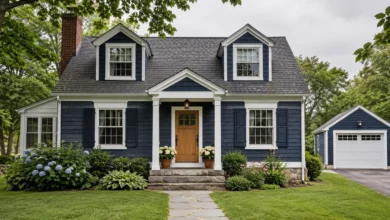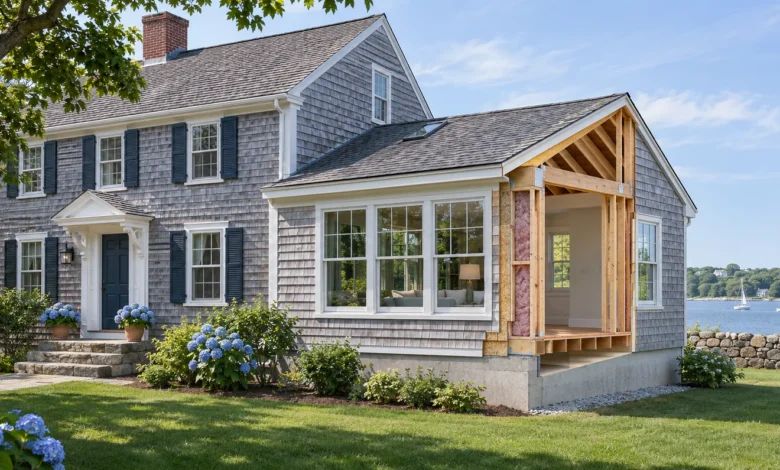
Compare home replacement cost estimates in Warwick, RI before choosing Coverage A. Check building size, local rebuilding costs, and policy deductible.
A home might sell for $510,000 while an insurer estimates $410,000 to rebuild it. The sale price includes the land and location. The rebuilding estimate should reflect the size, materials, features, and local construction costs of the dwelling. Ask each carrier what it included and check how its Coverage A limit and endorsements would apply after a covered loss.
Which details change a homeowners insurance replacement cost estimate?
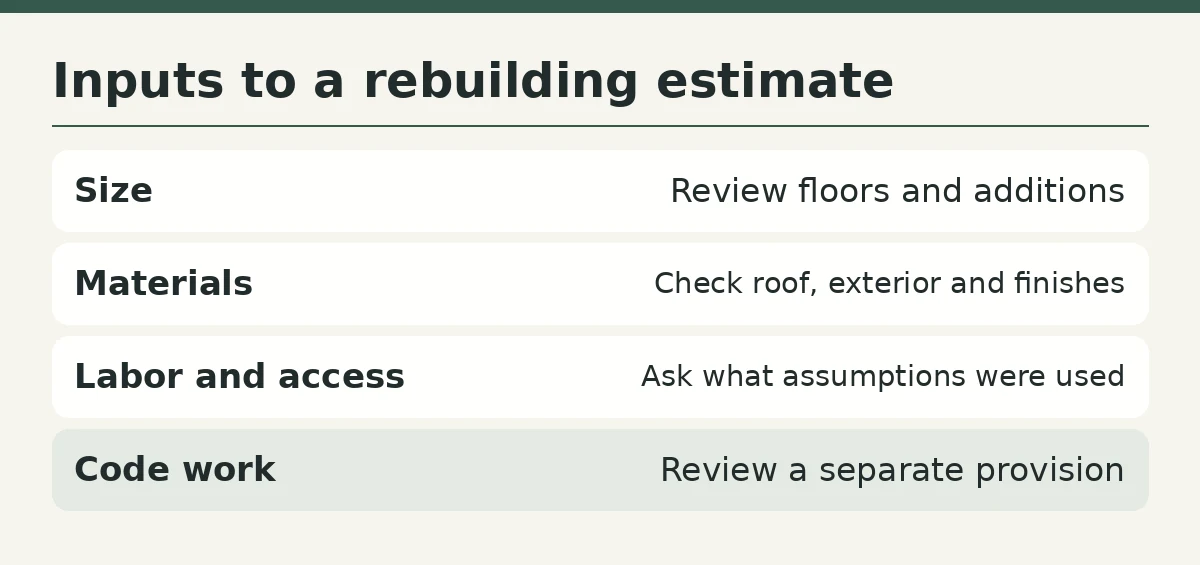
Start with the year built, finished area, stories, exterior walls, foundation, roof, and attached structures. Tell the carrier which parts of the basement or attic are finished and whether an addition shares the roof or utilities. Ask how it measures finished space. An insurer can be working from a tax record that predates a renovation or a real estate description that counts floors differently.
Record details that are expensive to reproduce. These might include custom millwork, an unusual roof shape, a finished staircase, masonry, or accessibility features. Ask the carrier which grade of materials it used and how you can correct a mistaken assumption. Ask what it includes for ordinary rebuilding work. Materials, labor, demolition, disposal, access, and contractor costs can each affect an estimate. Use the homeowners declarations guide to locate Coverage A and any endorsement.
Ask for an itemized dwelling replacement cost estimate
If two insurers return different Coverage A figures, compare the construction assumptions before comparing rates. Match the finished area, foundation, garages, and materials, then ask how each estimator handles labor and project access. Check whether code upgrades use a separate limit. The Warwick ordinance or law coverage guide explains which repair components to review separately.
Compare Coverage A estimates and hurricane deductibles in dollars
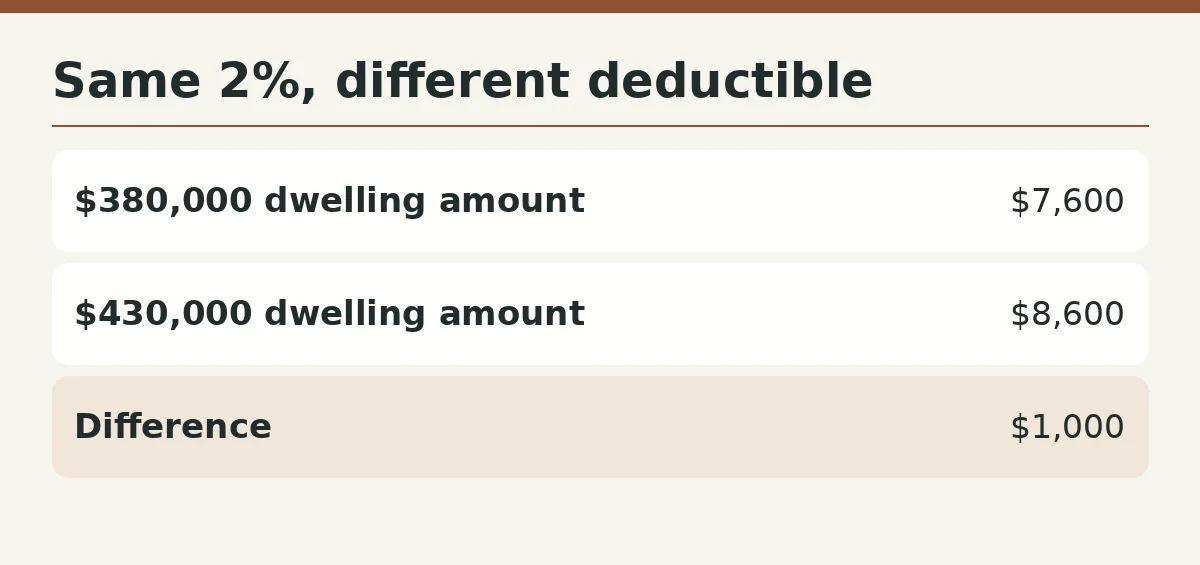
Suppose Carrier A estimates $380,000 and Carrier B estimates $430,000. Before choosing based on premium, check whether both included a finished addition and the same building materials. Ask for the corrected figures after they use the same facts. Then compare what extra rebuilding protection they could offer under their forms, including any percentage or dollar amount and conditions.
On a 2% hurricane deductible, a $380,000 dwelling limit yields $7,600 and $430,000 yields $8,600. The increase reflects the base changing by $50,000. Check the Warwick deductible guide for Rhode Island’s trigger and additional questions. If the insured amount later changes through an inflation adjustment, check how it changes the deductible in dollars. Compare it with what you could pay after a covered loss.
Check extended replacement cost and ordinance or law coverage
Ask whether the policy has a separate roof settlement method, an extended replacement cost provision, or a requirement for particular limits. Check how it evaluates covered costs and when it makes a final replacement payment. Extended coverage may depend on conditions, including accurate information about the property. Read the issued wording rather than treating an estimate or sales description as a promise of payment.
Ask how code-related costs would be evaluated. An older house could require work under current rules after an insured loss. The Warwick ordinance or law guide shows which categories to check separately. Compare the ordinary repair estimate with any amount associated with a permit requirement. Ask which limit or endorsement would pay eligible work in each category.
Revisit the estimate when the home changes
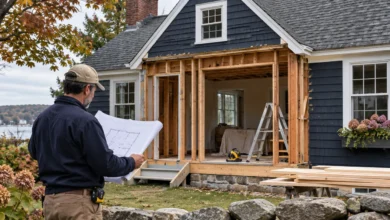
If you convert an attic, expand the kitchen, or add a structure, send the carrier a clear description and date. If work will take place over many months, ask which policy applies during construction and when an updated replacement estimate takes effect. Review the Warwick renovation insurance guide for the transition between coverages. Keep proof of what was added so another carrier can use the same information on a future quote.
At renewal, ask for the updated Coverage A and the basis for the change. Compare the old and new deductibles, dwelling amount, and forms. If you have a mortgage, send proof as requested. A lender’s insurance requirement and your own estimate of rebuilding exposure can be different. Keep the quote and insurer’s estimate together so you can see what information was used and what the policy ultimately issued.
Walk through a replacement estimate for an older house
Imagine the house has 1,850 finished square feet and a 320-square-foot addition built after the record a carrier used. Check whether the 1,850 already includes the addition before asking for an update. Review the building sketch, roof design, and finishes with the insurer. If a room has custom work or unusually high ceilings, describe it accurately. Request the revised estimate in writing and compare it with another company’s assumptions. A line called “finished area” can describe different details if the companies count rooms differently.
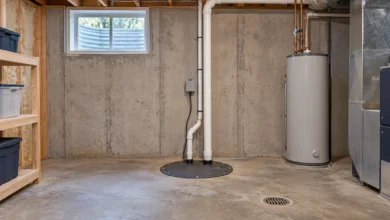
Ask about attached structures and finished spaces below grade. A finished basement can have substantial fixtures and materials while the insurer’s software might separate it from above-grade space. Check what Coverage A includes on the actual form. If a garage is detached, ask whether it is accounted for under another line. Tell the company when a change was completed and save documents showing which layout exists today.
Higher dwelling limit versus extended replacement cost coverage
Suppose an insurer estimates $430,000 and an endorsement could provide an additional 25% in specified circumstances. The arithmetic ceiling for that extension would be $107,500 if based on the stated limit, subject to the actual terms. Check when the extra amount becomes available, what work it can address, and whether the insurer requires you to maintain a certain amount of insurance or report changes. Another carrier may quote a larger base limit and a different extension. Compare the conditions as well as the sum.
Also ask about replacement cost on the roof or particular property. The policy may use a different settlement basis for some parts. The Warwick roof settlement guide shows how valuation interacts with a deductible. Ask about the work you want to model and which provision would apply. The rebuild estimate by itself does not explain whether a specific repair is subject to an endorsement or depreciation.
Put other property expenses on their own lines
A rebuild may leave questions about temporary housing, contents, and service to detached structures. Ask how each coverage’s limits relate to Coverage A and what changes when the carrier adjusts it. If the home will be uninhabitable for part of the work, review additional living expenses coverage separately. Track the type of cost, likely length of time, and the documentation the insurer needs.
When discussing code work, get any requirement in writing and ask which portion extends beyond rebuilding the prior structure. Compare the contractor’s original and revised estimates using documented quantities. At renewal, review replacement estimates and limits after a major change in local costs or the home’s features. Keep the documents and written corrections so the next comparison starts with the same underlying facts.
Compare a building estimate for the existing house with a renovation invoice
A contractor’s $135,000 price for an addition does not describe the cost to rebuild the whole house after a covered loss. Give the insurer the floor area, features, and date of the work. Ask which part of the estimate used those details and whether the new addition changed the type of construction. If a neighboring lot or planned improvement affects a quote, ask why. The insurer needs the insured building description. A real estate market estimate or tax assessment may use entirely different information.
Ask which costs it assumes around access and disposal. A narrow driveway or work near another structure can affect how a contractor estimates a job. If a carrier’s rebuilding estimate looks unusually low, request its building assumptions before raising its limit mechanically. Check the details against documents you have. A corrected description may be more useful to the next renewal than increasing a limit without knowing why.
Put the cost assumptions behind the limit in writing
Imagine one quote assumes basic cabinets and ordinary siding, while the other includes custom cabinetry and a different exterior. Ask both carriers to rework the estimate with the correct construction grade. Discuss labor and local building costs, particularly if an actual rebuilding quote is available. Ask how the company uses it, which lines it includes or excludes, and whether it wants additional records. A rebuild tool is an estimate and can use assumptions different from the estimate of a specific contractor.
If coverage is offered above the stated dwelling limit under defined conditions, ask what time, cost, or repair requirements it has. A higher base limit and an extension are separate items. Compare deductibles on the same base. If one carrier uses a hurricane deductible of 2% and another offers a different figure, calculate both using the actual policy limits. Save the explanation and the amount in dollars. The deductible can change after the next inflation adjustment.
Keep a checklist for issues outside the structure
Check detached property, belongings, and temporary housing separately. Ask where a porch, garage, shed, or outdoor improvement belongs under the actual wording. Use inventory records to price belongings; a home rebuild estimate is not a list of contents. If you need coverage for a particular cost after a loss, ask which limit it draws from. Ask how a lender’s proof requirement will be met for the full policy and keep the accepted version.
For an older property, ask how the policy handles upgrade or code changes that apply when the house is rebuilt. Request an example that uses the house’s actual features. Review insurance replacement cost and the maximum available under the relevant forms separately from remodeling choices. Compare the scope and timing of work with any rules on payment in stages. Keep the size and feature records accessible so you can supply the same facts when seeking a new quote.
Ask which changes matter before renewing
Review the record after an addition, roof replacement, or change in how the house is used. If the insurer adds a percentage for inflation, ask what changed and how it affects deductibles and individual limits. Check the policy date. If you changed carriers, verify that the new contract shows any requested endorsement and that the insurer recorded the new features. Keep the previous record for loss dates within its term and avoid mixing it up with a newer price estimate.
Compare an insurance estimate after a local increase in rebuilding costs
If quotes differ because one company recently updated its labor or material factors, ask which assumptions changed and when. Request a current estimate using the same description of the house. An increase in a local contractor’s bid may involve work that would not be required after every covered event. Ask which line items are included in the carrier’s estimate and which extra expense would be considered under an endorsement. A revised limit may change the premium and percentage deductible. Have the carrier show each amount before agreeing to a change.
Save documents the adjuster could use long after an upgrade
Retain the dates of major projects, drawings when available, the basic layout, and a description of important finishes. Label permits and invoices by stage. If a loss later damages only one part of the house, those records can help establish what was already there. Review the way an insurer recorded square footage or a detached building and request a correction before renewal if needed. When comparing a rebuilding tool against another insurer’s offer, give both the same reference information. A reference file helps you verify that both insurers measured the same dwelling, even if their estimated costs do not match.
Ask what a current estimate assumes about the materials and building grade before using an older appraisal. A mortgage appraisal can support a lending decision without describing the contractor work needed to rebuild. Verify the actual building dimensions with the insurer.
Ask for comparable home insurance quotes
Check the inputs before comparing the limit. Match the finished area, additions, roof, exterior, and quality of interior finishes. Ask for written corrections if one carrier used an outdated or incomplete description.
Separate Coverage A from the endorsements. Ask whether an extension applies above the base limit and when code upgrades would qualify. Verify whether roof settlement uses a different valuation.
Calculate the deductible on the actual quote. Convert a percentage hurricane deductible to dollars using the proposed dwelling limit. Record the resulting deductible and full premium before comparing a higher or lower Coverage A amount.
If a purchase is approaching closing, ask your lender to review the dwelling limit and proof of coverage while the carrier checks the rebuild estimate. Use the home insurance before closing checklist to coordinate the binder and effective date.
Sources consulted
National Association of Insurance Commissioners, Consumer Homeowners and A Consumer’s Guide to Home Insurance; Rhode Island property insurance and weather claims regulation.