Compare Warwick water backup insurance quotes. Check sewer, drain, and sump pump endorsements, insured limits, deductibles, and flood insurance terms.
A water backup endorsement can change how Warwick homeowners insurance handles water coming up through a drain or overflowing from a sump. Start by asking which events the insurer covers, which parts of your home or belongings can qualify, and how much the endorsement will pay. A policy can treat sewer backup, a burst indoor pipe, surface flooding, and damage to a buried service line as separate questions.
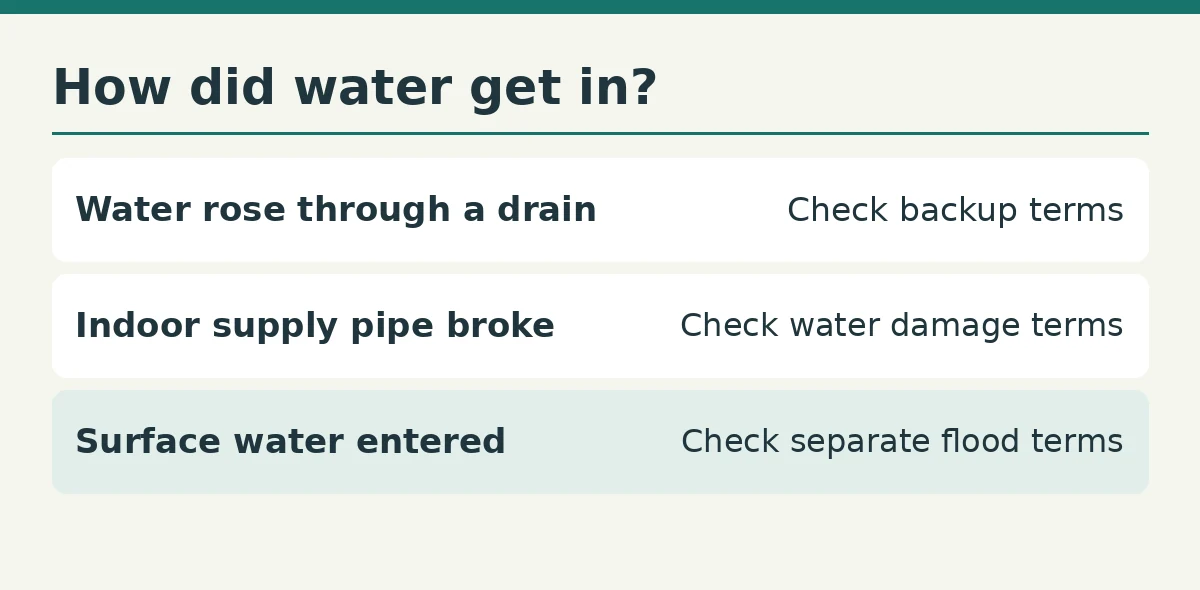
Describe how the water reached the property
Imagine three households find water in a basement. At one home, a drain backed up. At another, an indoor supply pipe broke. At a third, water collected outside and entered through a window well. Those details can point to different coverages and exclusions. If you are shopping for insurance, describe the path of the water in each scenario and ask the company how its policy would evaluate it.
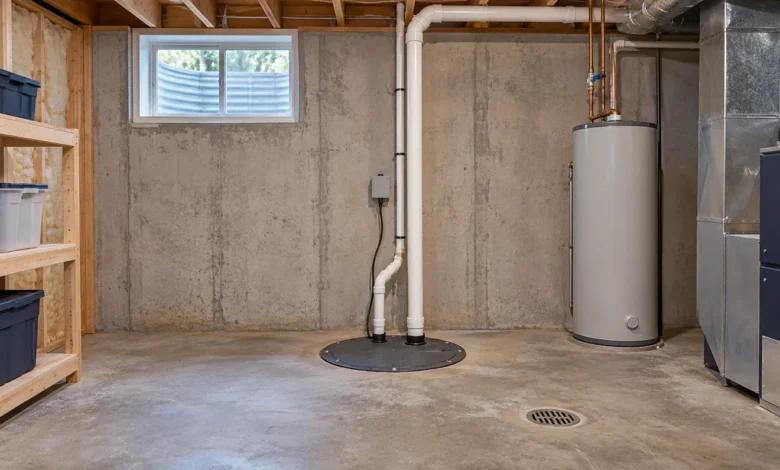
A sewer or drain backup endorsement may cover specified losses from water backing up through a sewer or drain. Some forms also address overflow or discharge from a sump or related equipment. The wording can set exclusions or conditions involving a flood, equipment failure, power loss, or other causes. Ask which event must occur and how the insurer determines the cause. Check whether the form treats the failure of the equipment and damage that follows from that failure separately.
Price sewer backup coverage for the damage inside the house
Give each insurer the same proposed basement cleanup and damaged property example. Ask how a sewer backup endorsement applies to the building, belongings, and deductible. Price two limits if the forms match. If the plumber also finds a failed underground pipe, use the Warwick service line insurance guide to quote exterior repairs independently.
Find out what the limit applies to
Ask whether the endorsement can cover building damage, belongings, cleanup, and expenses arising from a covered loss. Check for a separate deductible and whether coverage for the house and its contents shares one limit. Look at your homeowners declarations page for the endorsement and confirm the wording of the form actually issued. If an agent tells you a coverage is available, ask for a quote showing the limit, deductible, and added premium.
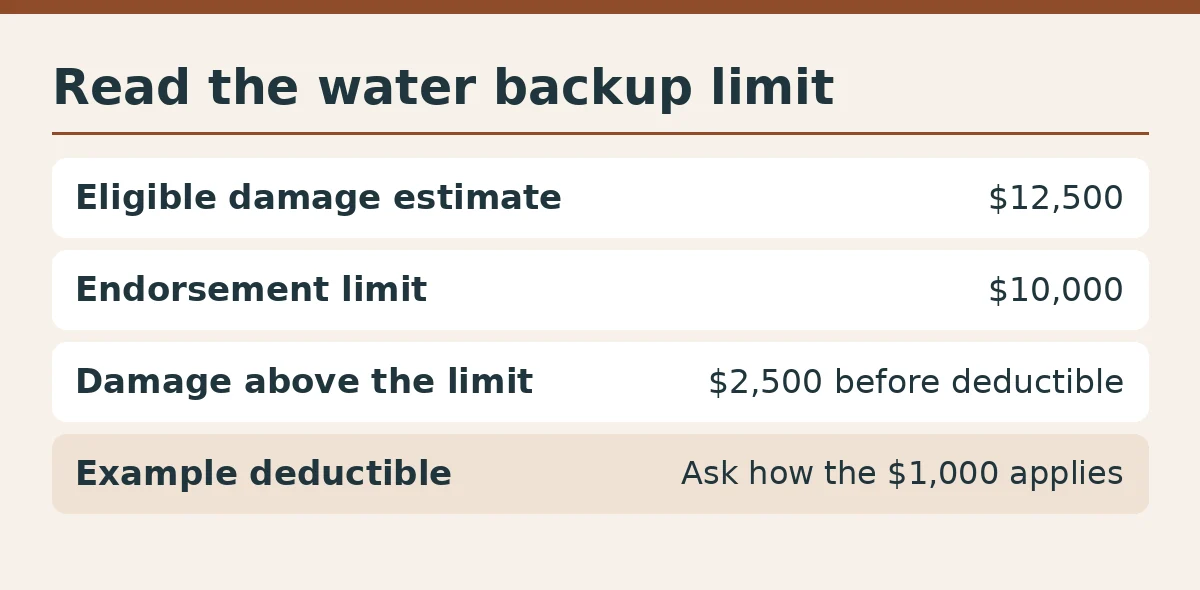
For an illustration, assume $12,500 of otherwise eligible building and belongings damage, a $10,000 endorsement limit, and a $1,000 deductible. The most useful next step is to ask how that insurer applies the deductible relative to the limit. The final amount can depend on the wording and how the carrier calculates it. Even before any deductible treatment, the eligible damage in this example exceeds the stated limit by $2,500.
Estimate what is in the basement before choosing a limit. Include flooring, finished walls, cabinets, ordinary furniture, and stored belongings that you expect to be eligible. If you use the space for work, tell the insurer. Check whether the policy treats home business property differently and ask what records would support the claim. A room-by-room inventory gives you a better starting point than the size of the basement alone.
Compare backup coverage with separate flood and service line options
A homeowners policy often excludes surface flooding. In Warwick, look up your property’s flood exposure and compare a separate flood option if it matters to you or your lender. The Warwick flood insurance guide explains the distinction between building and contents coverage and why basement coverage can be limited. Ask both insurers how they treat a sewer backup that occurs around the same time as flooding. The cause and the contract wording can determine how each company handles the loss.
A service line option may address certain damage to a line serving the property, subject to its own terms. The cost of repairing a buried pipe and the damage that backed-up water causes inside the house are separate expenses. Ask the insurer for an example showing how each would be evaluated. If a quote includes both options, identify each premium, limit, and deductible so you can see where there may still be a gap.
Prepare records before you need to file
Save a copy of the issued endorsements and photographs of the areas you would need to document. After a loss, avoid entering a space that is unsafe. Give the insurer a description of where the water first appeared and when you noticed it. Ask what emergency cleanup the insurer wants documented and which receipts it needs. If a plumber or restoration company investigates the cause, ask for a written description of what it found.
When comparing estimates, separate drying or removal work from the costs of replacing fixtures and belongings. Keep any photos and repair records from earlier incidents. If the adjuster says a particular cause or item is excluded, ask which provision the decision relies on. Use the Rhode Island claim review guide if you need to organize a written request for reconsideration.
Revisit the quote after changing the space
Tell the insurer if you finish the basement, install new equipment, or begin storing more valuable items there. Ask whether the upgrade changes your dwelling estimate or the backup limit you want. If the property has a sump pump, ask whether the form requires it to be maintained or whether the company treats a backup power source differently. Compare your renewal with the prior declarations before assuming a coverage or deductible carried forward.
Separate the emergency work from the permanent repair
Ask the restoration company to distinguish urgent drying and cleanup from later work to put the basement back together. Keep a dated record of when you contacted the carrier and what it told you about immediate work. If you can safely document conditions, include the room, affected materials, and where the water appeared. Save the plumber’s report if one is prepared. The origin of the water can matter as much to the insurer as the amount of damage.
If you have two policies that might be involved, identify each company’s claim number and give the same description of the event to both. Ask what documents each needs to make its own decision. When you receive a payment or denial, check which items it addresses and keep the letters together. If one company refers to an exclusion, ask where it appears in the form and which part of the loss the company applied it to.
If you already carry the endorsement, compare its limit with the cost of restoring the finished basement today. An old purchase receipt is useful for identifying damaged materials, while a current estimate can show what the same work would cost now. Check the categories of covered property before using the estimate to select a higher limit.
Sources consulted: National Association of Insurance Commissioners, Homeowners Insurance; FEMA National Flood Insurance Program, Flood Insurance Basics; Texas Department of Insurance, Home Insurance Guide, for general examples of water damage distinctions.
Compare sewer and sump pump backup endorsements on the same loss
Describe how water entered the property and ask if a building limit, contents limit, or deductible applies. Price the endorsement on the same homeowners policy before comparing premiums. If the property will be empty during repairs, check the vacant home insurance guide for questions about occupancy conditions.